Casa Bellavista
Charming Tuscany near Cortona.

Most people who visit Cortona arrive because of a book or a movie. Frances Mayes made it famous. Roberto Benigni filmed scenes there. And the town has been living with that attention ever since — which is to say it handles it better than most. Cortona is old enough and steep enough and Etruscan enough that no amount of tourism has managed to soften its edges.
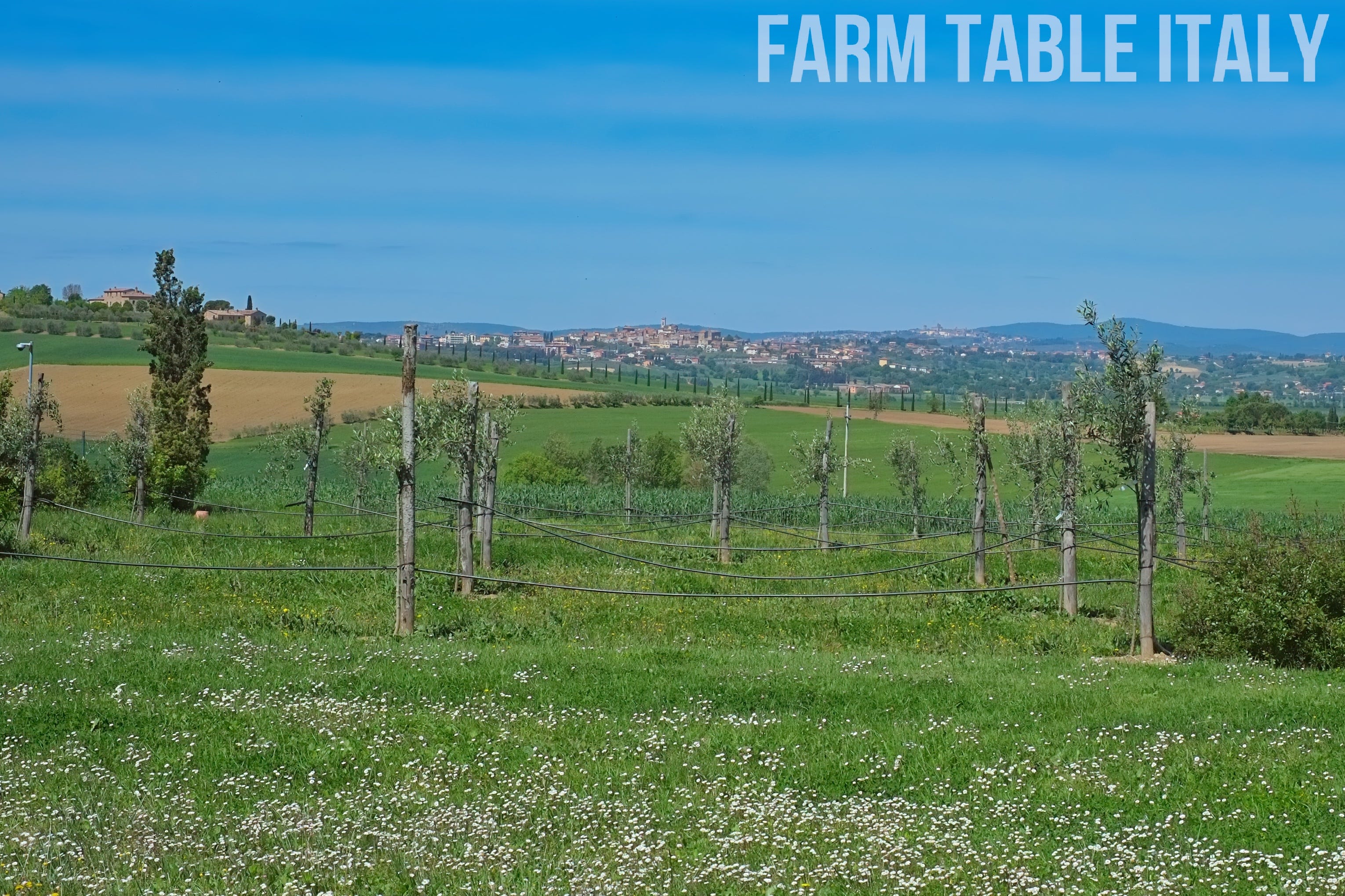
The town perches at roughly 2,000 feet on the flank of a hill in the Val di Chiana, the broad agricultural valley that runs between Arezzo and the Umbrian border. The Etruscans settled it as one of their twelve great city-states around the 8th century BC — they called it Curtun — and the walls they built, massive irregular blocks of stone fitted together without mortar, still ring the historic center. Rome absorbed it in 310 BC. The medieval guilds and the Florentine republic and, eventually, the Medici all left their mark on it. The result is a town whose steep cobbled streets open without warning onto views that stretch south past Lake Trasimeno and into Umbria — on a clear morning, the horizon feels almost dishonestly far.
The Val di Chiana below is famous for two things: the Chianina, a massive white cattle breed that produces what many Italians argue is the definitive Florentine steak, and Syrah. That second one surprises people. Cortona DOC has emerged quietly as perhaps the most serious Syrah appellation in Italy, led by the Tenimenti d’Alessandro winery just outside town. The valley’s combination of clay soils, warm summers, and cool nights produces a Syrah that is firmly Italian in character — structured and savory rather than jammy — and worth seeking out before the rest of the wine world catches on.
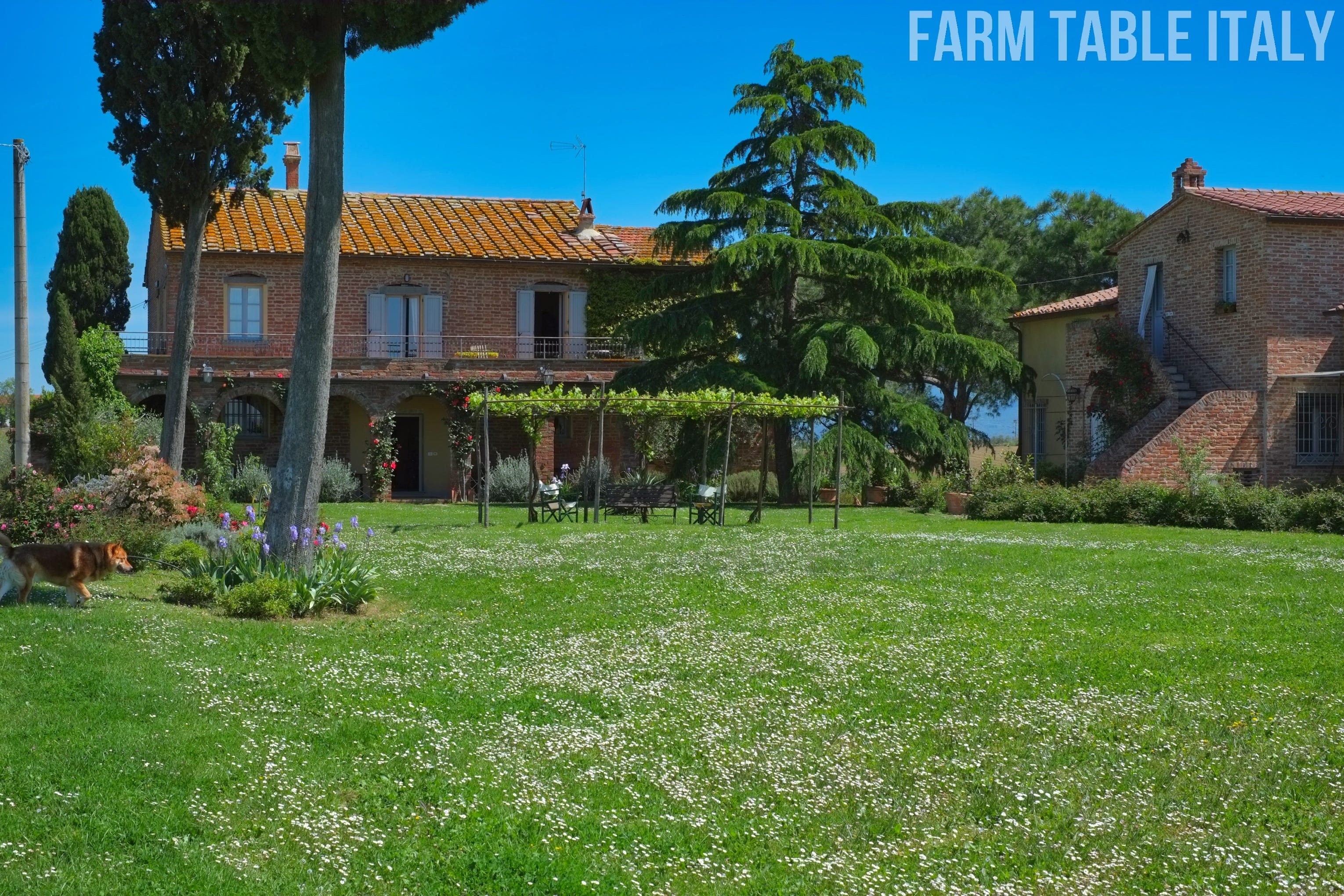
Sitting on a hillside in the locale known as Creti, about six miles from the center of town, is Casa Bellavista. It is more bed-and-breakfast than pure agriturismo — but that distinction does nothing to diminish its farm-to-table authenticity. Simonetta and Guido run it as a genuine home, the kind of place where the hospitality feels personal because it is. The rooms are furnished with 19th-century antiques and the kind of carefully chosen detail that reveals a strong personal aesthetic rather than a decorator’s hand. The pool looks out over the Tuscan hills in a way that is unreasonably beautiful. There is also a small spa — sauna, whirlpool, sensory shower — tucked into a private corner of the gardens and called, with understated charm, The Nest.
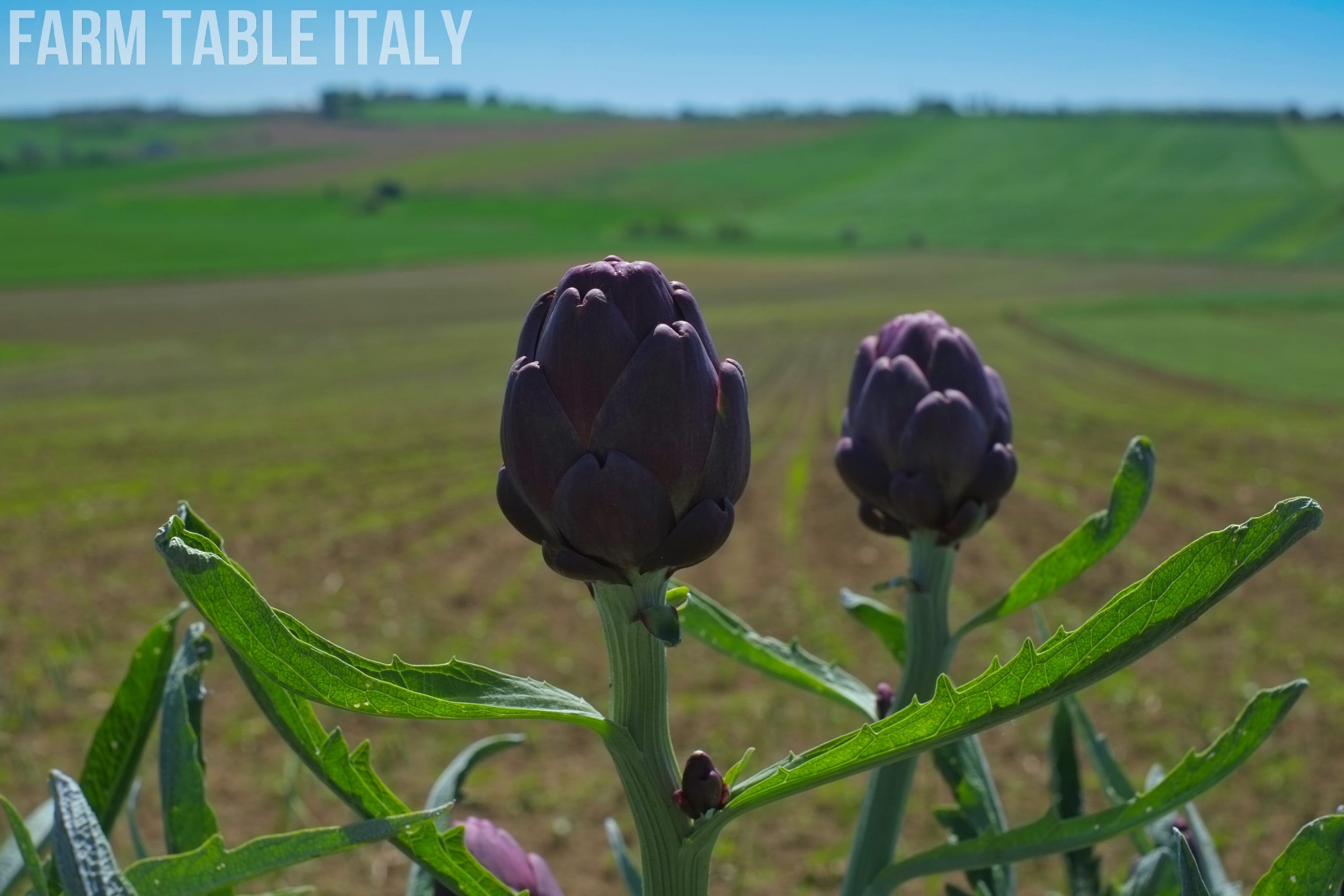
What makes Casa Bellavista a destination rather than simply a place to sleep is Simonetta Demarchi. She is the chef, and she approaches the kitchen the way serious Italian home cooks always have — with a garden as the starting point. Her own vegetable plot produces fennel, artichokes, zucchini, and cauliflower. Meats and additional produce come from nearby organic farms. From that palette she teaches hands-on cooking classes that are family-friendly — children are not just tolerated but genuinely welcome — and emphasize local ingredients, traditional techniques, and, by all accounts, a great deal of fun. The breakfast alone — homemade cakes, focaccia, local cheese, fresh fruit — is the kind of thing that makes you cancel whatever you had planned for 9am.
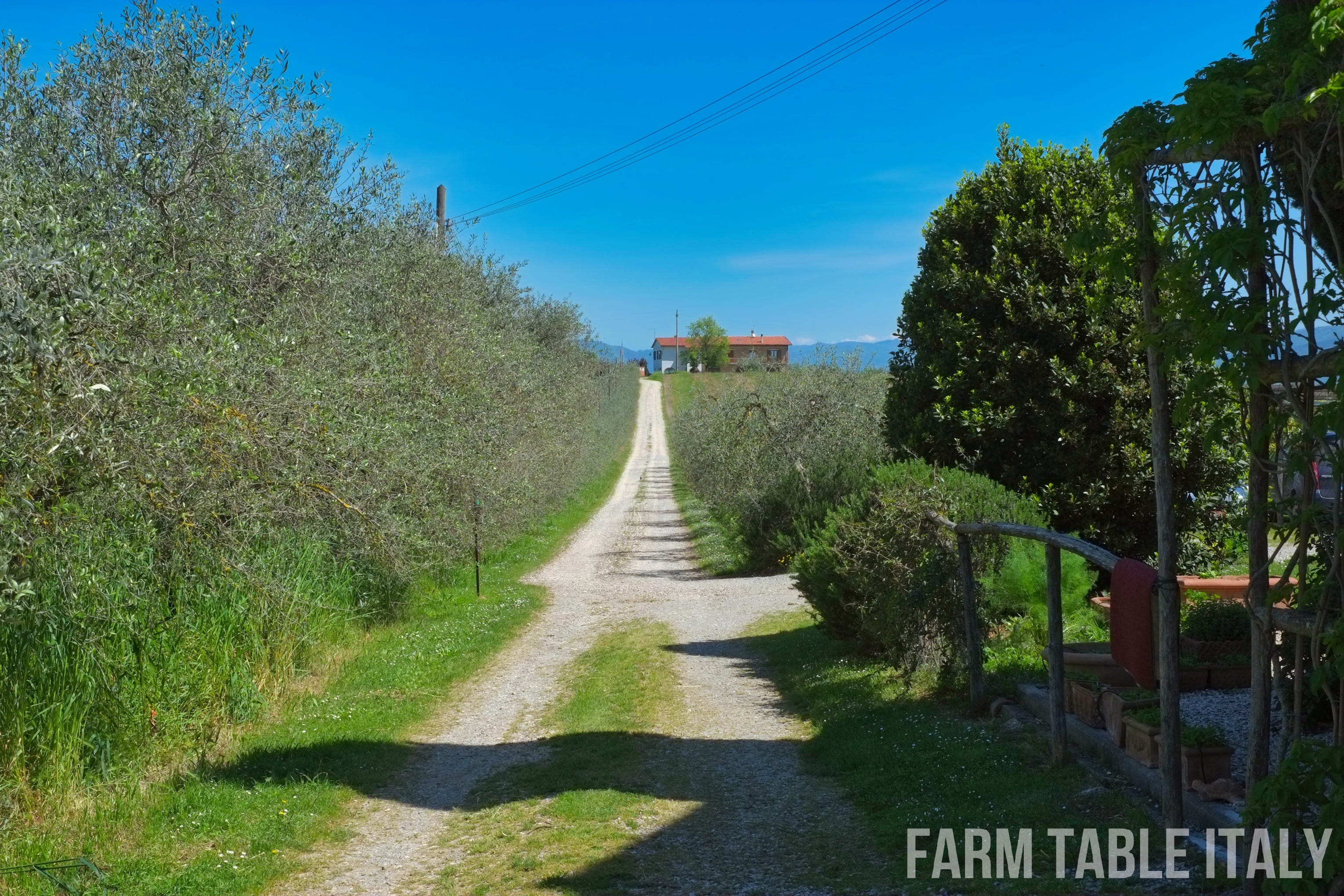
Then there is Guido. Simonetta’s husband holds the title of nationally certified olive oil taster — a designation that is, in Italy, close to sacrosanct. The position is theoretically open to anyone, but the requirements are ferocious: a rare ability to distinguish scents at an extremely high level, followed by a battery of tests designed to prove it. Guido will walk you through the testing process in fascinating detail before leading you through your own extra virgin tasting session. Beyond tasting, he covers the full arc of olive oil production — from the cultivation of the trees through the picking and pressing — and then teaches the techniques of pairing oils so that you can begin to recognize the strengths, weaknesses, and distinctions that separate one source olive from another. For anyone who has ever poured supermarket olive oil over a salad and assumed that was the experience, an afternoon with Guido is a corrective that borders on the transformative.
Casa Bellavista sits in ideal day-trip territory. Arezzo is 45 minutes north. Montepulciano and its Vino Nobile is 30 minutes west. Assisi is an hour south into Umbria. And Cortona itself — the Saturday market in Piazza della Repubblica, the MAEC museum’s remarkable Etruscan collection, the Sagra della Bistecca in August where the Val di Chiana’s famous Chianina cattle are celebrated in the most direct way possible — is fifteen minutes down the hill.